Home Window Tint Guide: Heat, UV, Privacy
Written by
Grace
Published on
January 9, 2026
Reading Time
5 min read
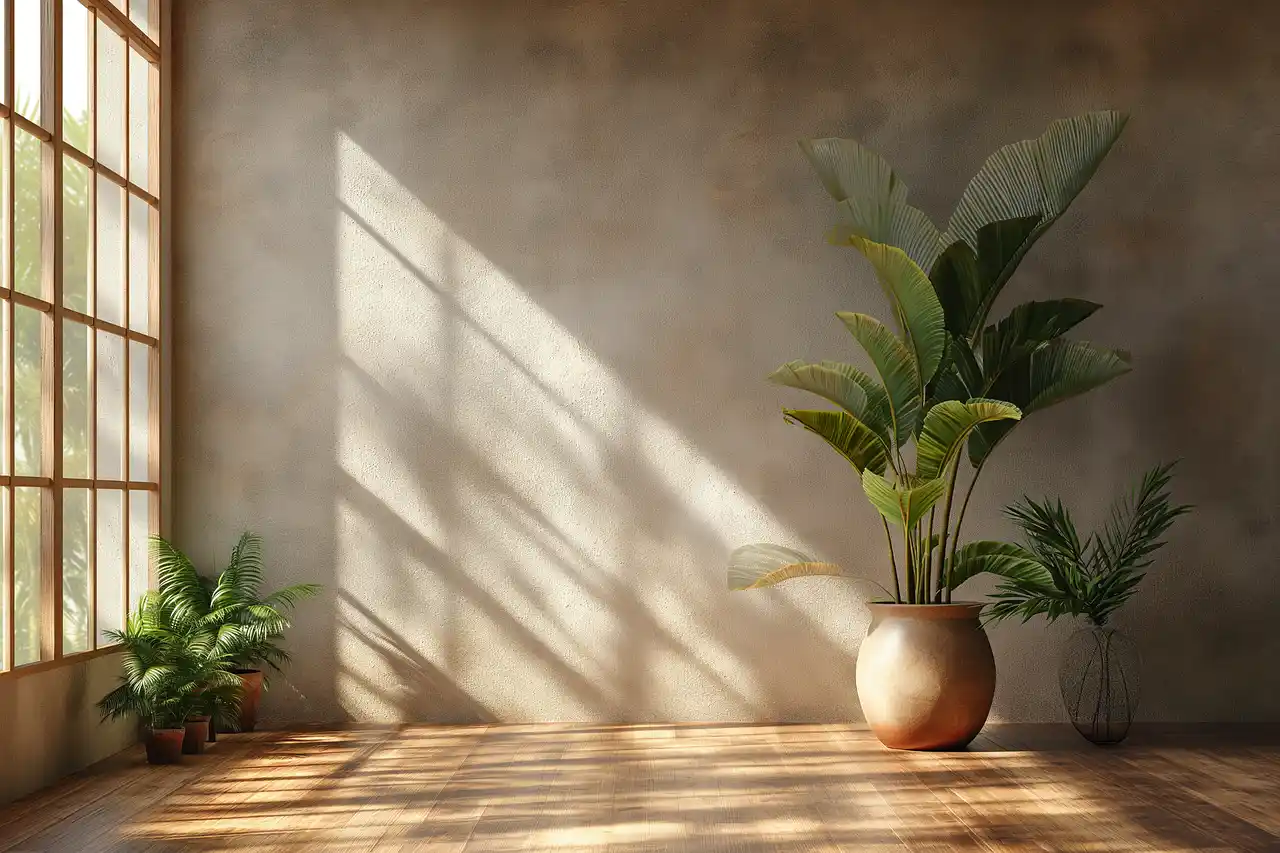
Home window tint is a thin film applied to residential glass to manage light, heat, and privacy. It can make living spaces more comfortable, cut energy costs, and protect furnishings from sun damage. This guide explains what home window tint does, how to choose the right film, and what to expect from installation—grounded in practical, experience-based advice you can trust.
What is home window tint and how does it work?
Window tint or window film consists of atransparent laminate that is applied to the inside surface of glass. It operates by absorbing or reflecting infrared light (heat) while controlling visible light. Most modern films also block a high percentage of ultraviolet (UV) rays, which helps protect furniture, artwork, and flooring from fading. Depending on the type, tint can also reduce glare and increase safety by holding shards in place if the glass breaks.
Benefits of home window tint
Several advantages come with the right tint for your home:
- Energy savings: Reducing heat gain lowers cooling loads in summer and can cut energy bills year-round.
- UV protection: Blocking up to 99% of UV rays preserves interior finishes and reduces skin exposure indoors.
- Privacy and glare control: Tinting makes it harder to see inside during the day and reduces glare on screens and surfaces.
- Safety and security: Films can add a preliminary layer that holds glass together if broken, potentially delaying intruders or reducing injury from shattered glass.
- Aesthetic appeal: Tint options range from neutral to darker shades, helping to balance exterior appearance with interior design.
Types of home window tint for residences
Dyed window film
Dyed films absorb heat and reduce glare. They are typically budget-friendly and offer a range of darkness levels. Downsides include potential color change over time and lower long-term performance in heat rejection compared with higher-end options.
Metalized/IR reflective film
These films reflect a portion of infrared energy using metal particles. They provide strong heat reduction and can be quite effective, but they may cause some interference with electronic devices and may appear mirrored from the outside at certain angles.
Ceramic window film
Ceramic films use non-metallic particles to reject heat while preserving clearer, more accurate color and avoiding interference with electronics. They tend to be more expensive but offer excellent UV protection and durability without staining or discoloration.
Hybrid window film
Hybrid films combine ceramic and dyed layers to balance cost, heat rejection, and aesthetics. They generally deliver good performance with moderate price and less risk of metal-related issues.
Choosing the right tint: key factors to evaluate
When selecting a home window tint, consider:
- Visible light transmission (VLT): Higher VLT means more daylight; lower VLT yields more privacy and darker interiors.
- Solar heat gain coefficient (SHGC): Lower SHGC indicates better heat rejection, important in hot climates.
- UV rejection: Look for films that block 99% or more of UV radiation.
- Color and clarity: Ceramic or high-quality metallic films preserve color fidelity and avoid a tinted look that can distort indoor lighting.
- Warranty and durability: Long warranties and reputable brands indicate better long-term performance.
- Safety and HOA rules: Some neighborhoods or buildings have guidelines about tint darkness and reflectivity; check local regulations before installation.
DIY vs professional installation
DIY tint kits are accessible for small projects, but full-home installations benefit from professional technicians. Pros typically ensure accurate window measurements, thorough surface prep, bubble-free application, and clean edge finishing. They also help with local compliance, warranty transfers, and color consistency across large panes or unusual shapes. If you choose DIY, follow manufacturer instructions closely, prepare a dust-free workspace, and use proper squeegees to avoid trapping air.
Performance comparison: tint types at a glance
| Tint Type | UV Rejection | Heat Reduction | Visibility (VLT) | Pros | Cons |
|---|---|---|---|---|---|
| Dyed | High | Moderate | Medium to Low | Budget-friendly, good glare control | Color can fade, lower long-term heat control |
| Metalized/IR | Very high | High | Medium | Excellent heat rejection, strong durability | Possible electronics interference, mirrored look |
| Ceramic | Excellent | Excellent | High | Best clarity, no metal interference, long-lasting | Higher upfront cost |
| Hybrid | Very good | Very good | Medium to High | Balanced cost and performance | Not as high performance as full ceramic |
Maintenance and care
To maximize tint life, avoid abrasive cleaners on the film and use a soft microfiber cloth with mild, non-ammonia cleaners. Clean from the inside to the outside to prevent streaks and avoid touching the adhesive layer. If you notice air pockets or peeling, contact the installer promptly under warranty terms.
Regulations, safety, and aftercare
Before committing to a tint level, verify local rules and HOA guidelines. Some jurisdictions restrict reflectivity or require a particular shade for front-facing windows. Professional installers can help interpret these rules and ensure compliance, which protects your investment and supports resale value. After installation, monitor for bubbling, peeling, or color shifting, and consult the installer if issues arise.
Conclusion
Conclusion, choosing the right home window tint involves assessing climate, daylight needs, privacy, and budget. Ceramic and hybrid options offer the best balance of heat rejection, UV protection, and clarity, while dyed and metalized films provide cost-effective alternatives with varying advantages and trade-offs. A professional assessment helps tailor the best solution for your home, ensures proper installation, and supports long-term performance and compliance with local rules. Summary, investing in quality film and expert installation pays off through improved comfort, lower energy use, and enhanced interior protection.