Home Window Tinting: Benefits, Types & Guide
Written by
Mason
Published on
January 9, 2026
Reading Time
3 min read
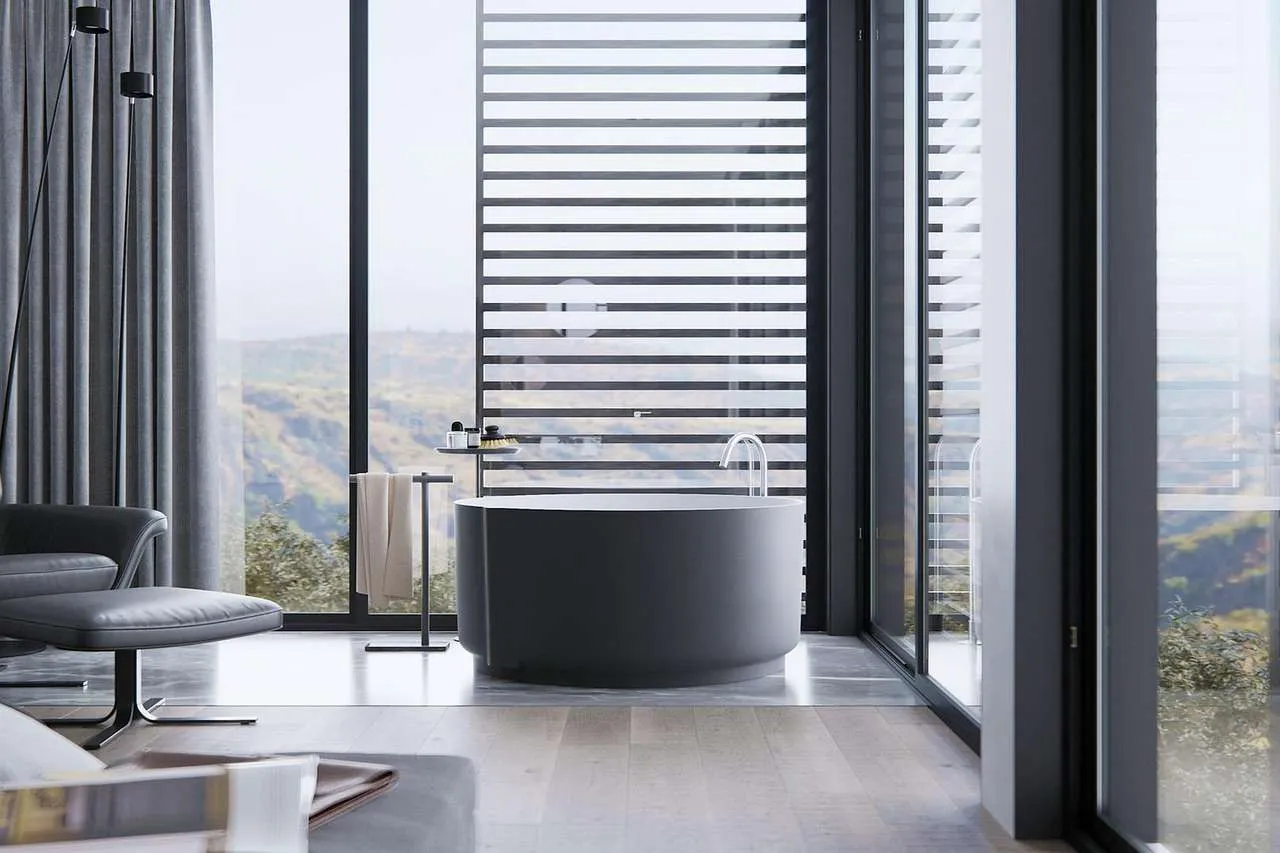
Home window tinting refers to applying a thin film to the interior or exterior surfaces of glass to improve performance and comfort. This guide explains how it works, who benefits, and how to choose the right film for a home.
What is home window tinting?
Window tinting for homes uses specialty films designed to reduce heat, block UV rays, and minimize glare while preserving visibility. Films can be applied to existing windows without replacing glass, offering a cost effective way to improve comfort and protect interior furnishings from fading.
Benefits of home window tinting
Energy efficiency and comfort
By reducing solar heat gain, tinting helps keep rooms cooler in hot months and can lower cooling costs. It also helps maintain a more even indoor temperature, reducing hot or cold spots near windows.
UV protection and furniture protection
Most quality films block a large percentage of ultraviolet rays, which helps prevent fading of fabrics, flooring, and artwork, extending the life of interior furnishings.
Glare reduction and privacy
Tinted windows reduce glare on screens and dashboards, improving comfort for work or leisure. Many homeowners also appreciate daytime privacy without losing exterior views.
Types of window tint for homes
Ceramic tint
Ceramic films are non conductive and highly effective at rejecting heat while preserving color accuracy. They do not interfere with electronics and maintain a clear natural appearance.
Metalized or metal film
Metalized films provide strong heat control and a reflective look. They may interfere with some electronics and cell signals and can have a bluish or silver appearance.
Dyed tint
Dyed films offer an affordable option with good heat reduction and enhanced privacy. Fading over time and lower UV protection compared to ceramic or carbon films can occur.
Carbon tint
Non reflective and durable, carbon films provide solid UV blocking and improved heat control without a metal layer that can affect visibility or signals.
Privacy and decorative films
These films emphasize privacy or design, ranging from frosted to mirrored finishes. They can alter light levels but vary in heat rejection.
How to choose the right tint
- Consider climate and sun exposure to select a film with adequate heat rejection.
- Balance visible light transmission with privacy needs and exterior aesthetics.
- Check UV rejection, glare reduction, and warranty terms.
- Assess installation quality and potential impact on home insurance or energy audits.
- Look for professional installation to ensure a bubble free finish and lasting warranty.
Installation: professional vs DIY
DIY kits are available but professional installation is recommended for best results. Pros ensure precise cutting, edge sealing, proper curing, and adherence to codes. They can also advise on product selection that aligns with your climate and home design.
Cost, ROI, and maintenance
Costs vary by film type, window size, and labor. In many homes, the energy savings plus protection of furnishings translates to a favorable return over time. Maintenance is simple: use mild soap and water; avoid abrasive cleaners that can scratch the film.
Safety, legality, and warranties
Check local regulations and HOA guidelines before selecting a tint level. Many films come with warranties covering bubbling, peeling, or fading under normal use. Always confirm warranty terms with the installer and ensure proper documentation for future claims.
Comparison of tint types
| Type | Key Benefits | UV Rejection | IR Rejection | VLT Range | Durability | Cost |
|---|---|---|---|---|---|---|
| Ceramic | High heat rejection, non-conductive | Up to 99% | High | 40-80% | Excellent | Medium-High |
| Metalized | Strong heat control, added strength | Up to 99% | Very High | 20-60% | Good | Medium |
| Dyed | Inexpensive, good initial look | Up to 99% | Moderate | 15-50% | Moderate | Low |
| Carbon | Non-reflective, consistent color | High | Moderate-High | 40-60% | Very good | Medium |
| Privacy/Decorative | Privacy, style | Varies | Low to Moderate | Low to Moderate | Depends | Low |
Properly installed tint can preserve view, reduce heat, and protect interiors. For most homes, professional installation is recommended to ensure a flawless finish, warranty validity, and compliance with local rules.
Summary, home window tinting offers energy savings, UV protection, glare reduction, and privacy; choose the right film and use a professional installer to ensure quality, warranty, and lasting performance.