Bathroom Decor: Elevate Your Space
Written by
Charlotte
Published on
January 9, 2026
Reading Time
4 min read
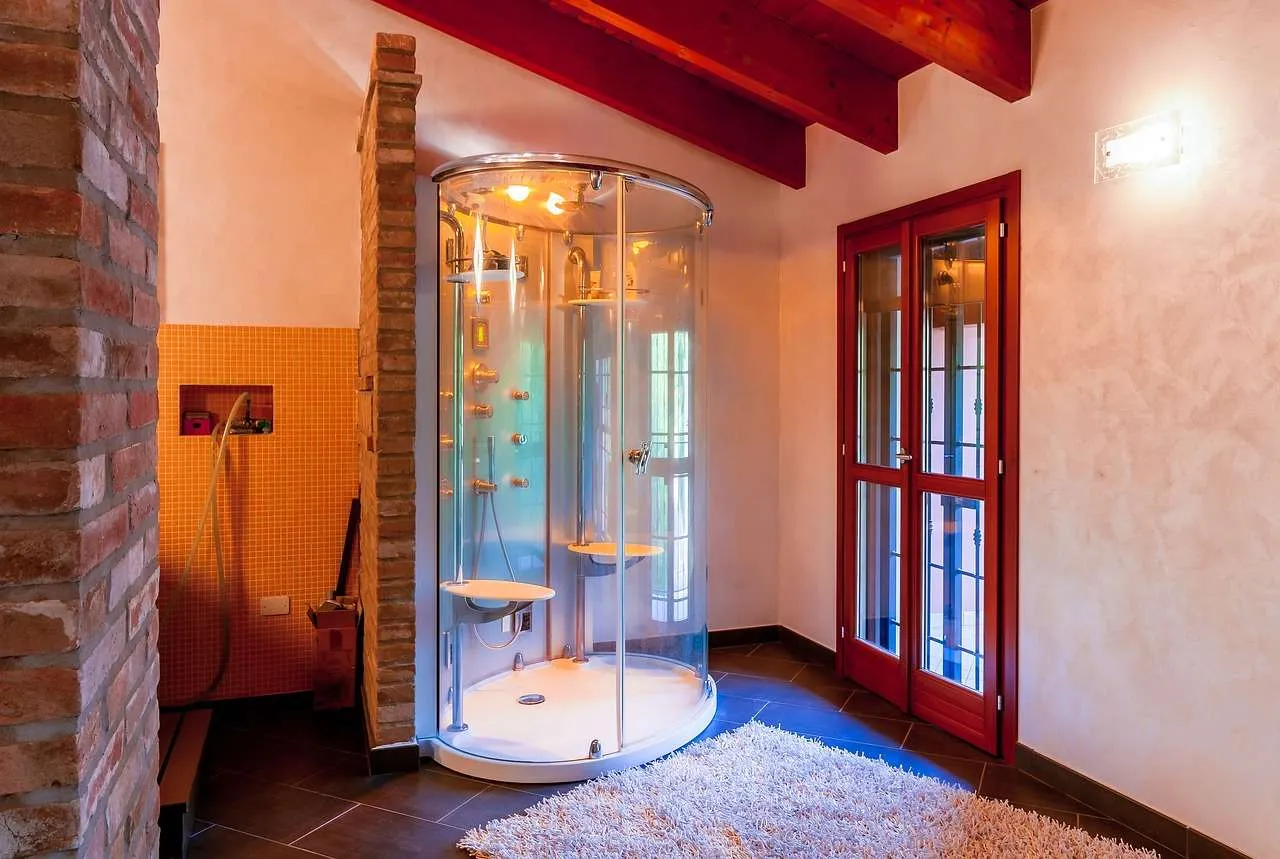
Bathroom decor isn't just about making a space pretty—it's about creating a calm, functional environment that supports daily routines and wellbeing. A well-planned bathroom decor combines design principles, quality materials, and thoughtful accessories to improve usability and longevity. In this guide, we'll explore practical ways to elevate your bathroom's look while staying mindful of budget, durability, and maintenance. Whether you're renovating a master bath or refreshing a family powder room, the right decor decisions can boost value, comfort, and style.
What is bathroom decor?
Bathroom decor encompasses more than fixtures and color. It combines layout, lighting, color, texture, and storage to create a cohesive space. The goal is to balance form and function: attractive aesthetics with practical usability, easy cleaning, and durable materials that resist moisture and humidity.
Key principles include zoning (wet vs dry areas), proportional fixtures, and a consistent design language across surfaces and accessories. By choosing a unifying color palette, complementary textures, and intentionally placed lighting, you create visual harmony that makes daily rituals more enjoyable.
Principles of thoughtful decor
Consider the scale of items: mirrors and vanities should fit the room size; choose finishes that resist water and fingerprints; select storage that reduces clutter. Use lighting with appropriate color temperature (around 3000-4000K for bathrooms) to render true colors and create a welcoming glow.
Color schemes and finishes
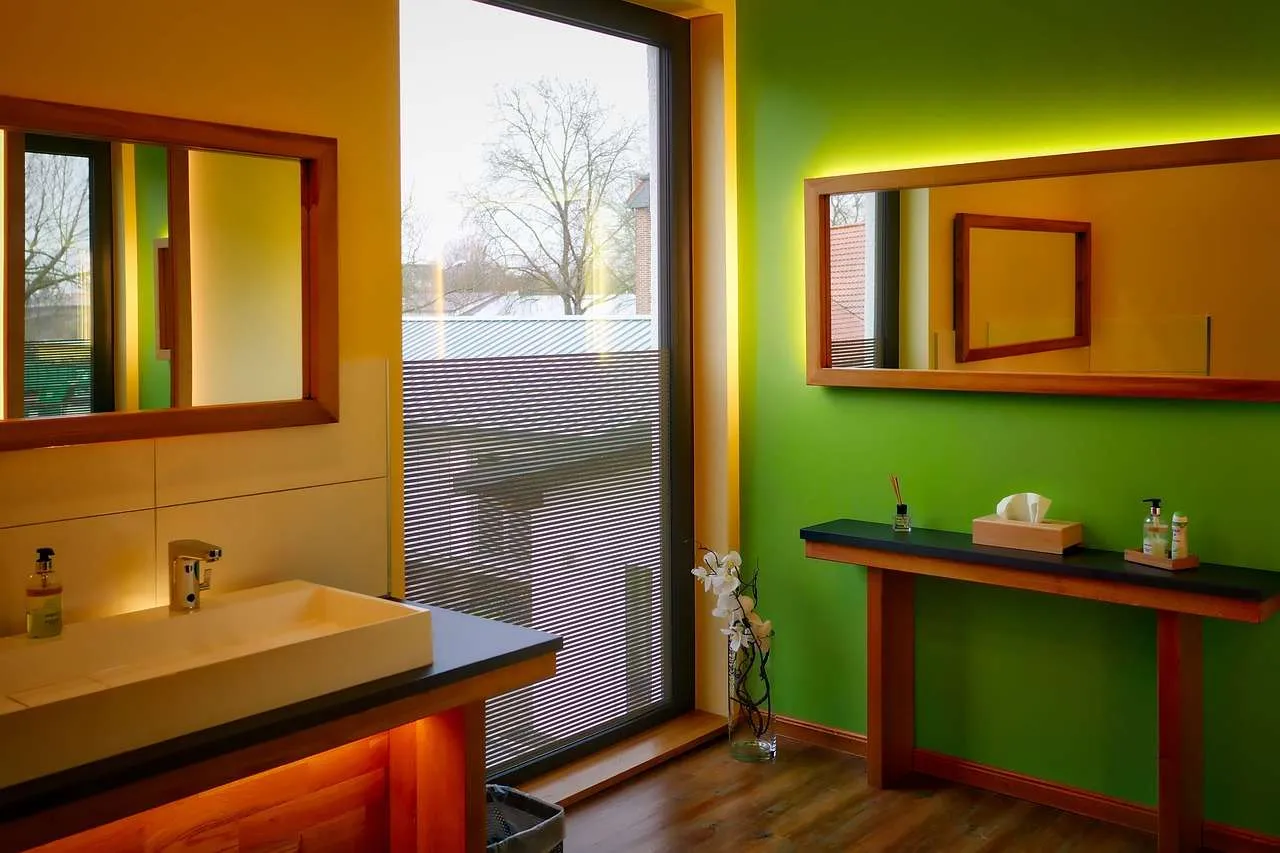
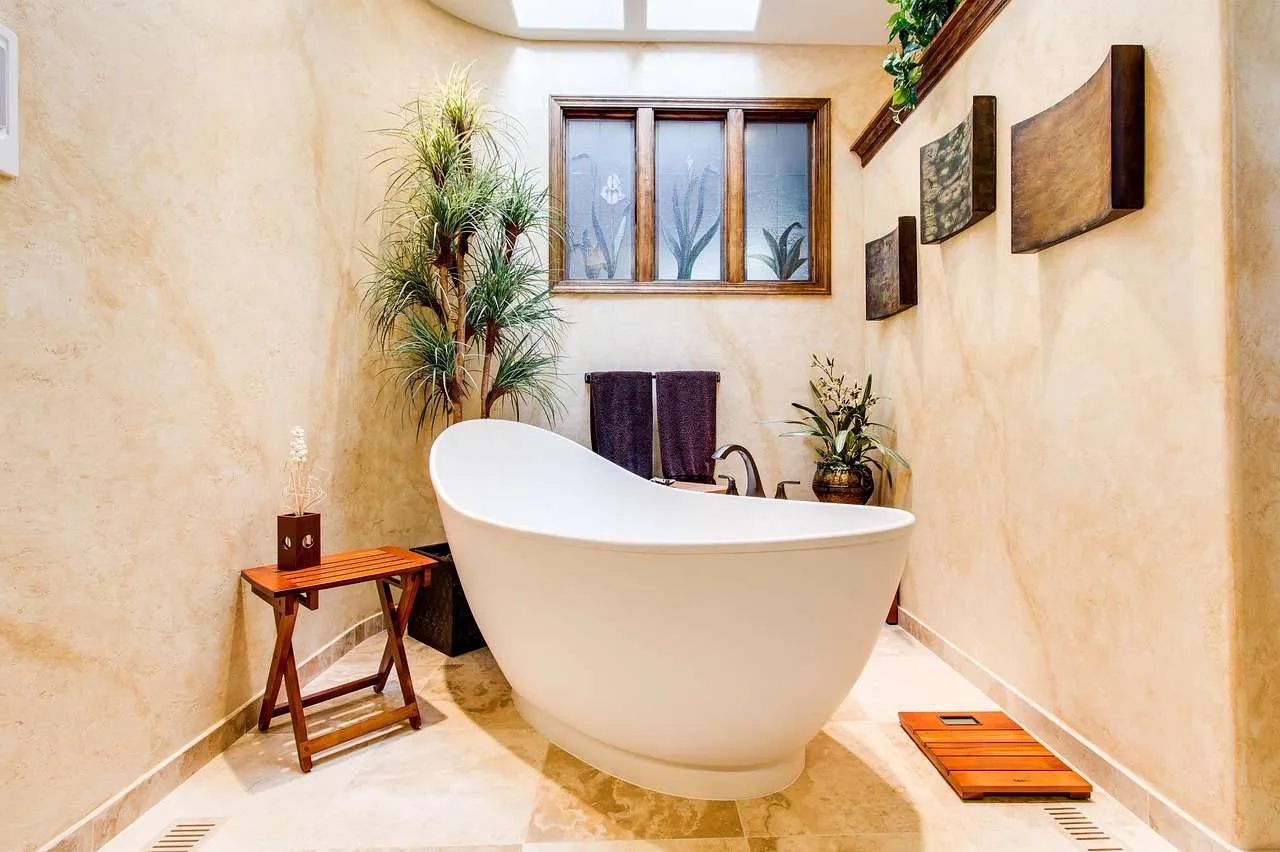
Color sets the mood. Neutrals like warm whites, soft beiges, and cool grays create timeless bases that pair with accent colors. For small bathrooms, light colors reflect light and make the room feel larger, while bold accents—turquoise tiles, deep navy cabinetry, or brass fixtures—add personality without overwhelming the space. Finishes matter: matte textures hide water spots; polished surfaces reflect light but show fingerprints; metal finishes (chrome, nickel, brass, matte black) should be consistent across fixtures, hardware, and mirrors for cohesion.
Popular styles and how to choose
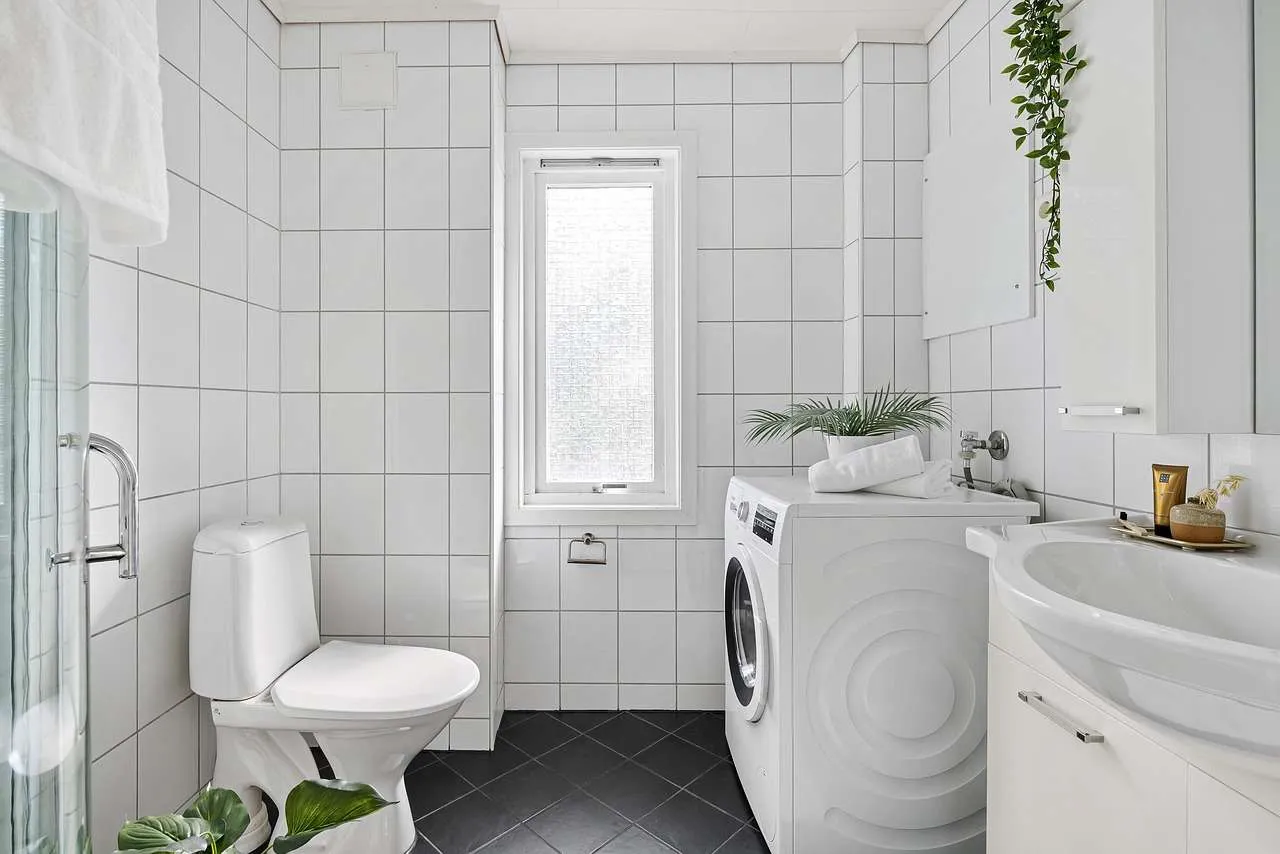
Popular bathroom decor styles include Minimalist, Classic, Modern Farmhouse, Coastal, and Industrial. Your choice should reflect the home's architecture, budget, and how you want the space to feel. For example, Minimalist relies on clean lines, concealed storage, and a restrained palette; Modern Farmhouse blends warmth with simplicity; Coastal embraces breezy blues and light wood; Industrial uses metal accents and rugged textures. Start by selecting a dominant style and then layer in textures, finishes, and accessories that reinforce that theme.
Table: Style comparison
| Style | Vibe | Key Elements | Pros | Cons | Typical Colors |
|---|---|---|---|---|---|
| Minimalist | Calm, uncluttered | Floating vanity, concealed storage, simple fixtures | Feels spacious; easy to clean | Can feel cold if not accented | White, gray, soft neutrals |
| Classic | Timeless, elegant | White subway tile, traditional vanity, brass accents | Long-lasting appeal | Can be pricey to reproduce well | Cream, ivory, navy, brass |
| Modern Farmhouse | Warm, relaxed | Board-and-batten, stone, warm wood | Inviting and durable | Can feel heavy if overdone | Taupe, white, wood tones |
| Coastal | Airy, light | Soft blues, light woods, woven textures | Refreshingly bright | Color fade with sunlight | Seafoam, sand, white |
| Industrial | Edgy, modern | Metal fixtures, concrete or tile, exposed shelves | Unique character | Can feel stark | Black, charcoal, steel, wood |
Budgeting and planning
Plan a realistic budget by prioritizing water-resistant investments: vanity, vanity lighting, plumbing fixtures, and tiles. Allocate a portion for storage solutions, mirrors, and soft goods (towels, rugs) that support the chosen style. A typical mid-range bathroom renovation can range from a few thousand dollars for cosmetic updates to ten thousand or more for larger remodels. Create a mood board, sample materials, and a phased timeline to minimize disruption and keep decisions aligned with your design goals.
Materials and durability
Choose materials that stand up to humidity and temperature fluctuations. Porcelain and ceramic tiles are moisture resistant and easy to clean; stone countertops require sealing; quartz surfaces offer durability with low maintenance. For high-traffic areas, select scratch-resistant faucets and enamel or ceramic hardware. Don’t forget moisture-resistant wallpaper or paint in proper finishes (satin or semi-gloss) to maintain a polished look with cleanable surfaces.
DIY tips vs hiring pros
Some decor updates can be tackled by confident DIYers: repainting walls, updating hardware, adding a new shower curtain, or swapping out accessories. For plumbing, electrical work, or tiling, hire licensed professionals to ensure safety and code compliance. Ask for detailed quotes, timeline estimates, and warranty information. Investing in professional input on layout and lighting can elevate the outcome and prevent costly mistakes.
Maintenance and care
Establish a routine that keeps bathrooms looking fresh: wipe down surfaces weekly, seal stone countertops regularly, and check caulking around tiles and tubs yearly. Use mildew-resistant shower curtains and mats, and store cosmetics in well-ventilated cabinets. Consistent maintenance extends the life of décor choices and preserves the space’s appearance and hygiene.
Conclusion, a well-planned bathroom decor blends style with function, uses durable materials, balanced color schemes, and cohesive accessories to reflect your lifestyle. By choosing a unifying color palette, durable finishes, and practical storage, you can create a bathroom that feels timeless, comfortable, and easy to maintain while boosting your home’s value and daily enjoyment.